Most Effective Methods to Eliminate Gnats Indoors in Scarborough
If you're looking for the best answer to what is the best way to get rid of gnats indoors, begin here: find the source of infestation, get rid of it, and then use traps or methods to catch the remaining adults. This method works better than spraying randomly, because gnats are usually tied to moist areas, standing water, plant soil, or food residue. For many homes in the Scarborough area, especially condos and apartments with compact kitchens and shared plumbing, the winning formula is a mix of indoor gnat control, cleanup, and repeat treatment.
Gnats are annoying, but they are also a clue. Whether you’re dealing with fungus gnats, fruit flies, or drain flies, the right fix depends on where they breed. In Scarborough, summer humidity near Lake Ontario, indoor plant care, and older building drains can all keep the problem going. What’s encouraging is that you can usually eliminate gnats indoors with a targeted plan that is safe for indoor use and practical for long-term prevention.
What kind of gnats are indoors?
Prior to you handle a gnat problem, figure out the type. Different gnats behave in different ways, and using the wrong approach wastes time. The most common indoor pests people call “gnats” are fungus gnats, fruit flies, and drain flies. Each one indicates a different source of infestation.
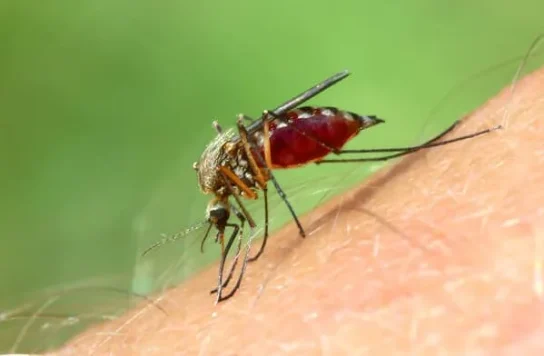
Fungus gnats are commonly linked to indoor plants. The adults are small and slender, and the larvae feed in moist potting soil. If you have many indoor plants, especially in sunny windows or warmer rooms, they may be growing in the top layer of soil.
These flies are commonly attracted to fruit that is ripening, organic waste, recycling bins, or residual stickiness in the kitchen. They often show up on counters, bins, and sinks. In a active Scarborough household, they can arrive in no time if food prep, garbage, and recycling aren’t tightly managed.
Drain flies usually come from plumbing. They breed in the slime that collects inside drains, around sink overflows, and in other wet surfaces. In many Scarborough condos and apartments, shared plumbing and compact kitchens can make drain flies and fruit flies more common than homeowners anticipate.

Recognizing the difference aids you to select the most suitable approach. If the adults are hovering around plants, target potting soil. If they collect by the sink or garbage, focus on kitchen cleanup. If they keep appearing from bathroom or kitchen drains, address the plumbing, not just the airspace.
Why gnats keep returning in Scarborough homes
Gnats reappear when the factors that sustain them are left unchanged. In Scarborough homes, the main drivers are usually moisture, overwatered plants, kitchens, and drains. That means a quick spray may provide short-term relief, but it will not stop the cycle.
One common issue is overwatering houseplants. Many Toronto-area suburbs have households full of indoor greenery, especially during long indoor seasons. That is excellent for décor, but it can also lead to ideal breeding conditions for houseplant pests. If the soil stays damp, fungus gnats can develop in the upper layer and keep reappearing.
Another factor is indoor moisture from seasonal weather. During humid summer conditions near Lake Ontario, moisture can build up inside homes, especially in bathrooms, kitchens, and basements. If you don’t reduce that humidity, gnats can keep finding what they need to survive.
In kitchens, leftover fruit, compost, food scraps, and dirty dishwater can keep fruit flies active. In bathrooms and kitchens, dirty or slow-moving drains can allow biofilm to collect. If the problem is inside plumbing, surface cleaning alone won’t solve it.
That’s why the best pest control Scarborough approach is not just “kill the bugs.” It’s eliminate what supports them, then lure the adults, then prevent the next wave. That method gives you faster relief and much better long-term prevention.
What is the most reliable way to eliminate gnats inside the home?
The most effective way to remove gnats inside the home is source control first, then using traps, then sanitation. If you take out the breeding site, the infestation fades. If you only trap adults, you may cut down the visible swarm but still allow the next generation behind.
Start by locating where the gnats are most concentrated. Check plant pots, sink edges, drain openings, fruit bowls, garbage bins, and compost containers. Once you identify the source, use the right treatment for that area. This is the most reliable effective solution because it attacks the problem at the source rather than just managing the symptoms.
Sticky traps are one of the most useful first tools for indoor gnat control. Place them near plant pots, beside sinks, or close to the area where you see adults flying. Sticky traps provide quick feedback: if they fill quickly, you know the source is still active.
An apple cider vinegar trap can also help with fruit flies. Add a small amount amount of vinegar to a cup, mix in a drop of dish soap, and place it near the problem area. The vinegar lures the flies, and the soap helps reduce the surface tension so they sink. This can provide immediate relief, especially in kitchens, but it should be used alongside cleaning and source removal.
Mosquito Man Scarborough1225 Kennedy Rd, Scarborough, ON M1P 4Y1, Canada
+1 647-243-7241
https://maps.app.goo.gl/8SuLx1MkkqVJFc2m9 https://mosquitoman.ca/pest-control/scarborough/
43.7561897, -79.2751574
Vacuuming is another effective step. Vacuum adults off walls, window areas, and ceilings when they cluster. This won’t eliminate larvae, but it can quickly reduce the number of flying gnats and make the room feel under control again. It is especially useful in apartments where space is limited and you need fast results.
If you want to remove gnats instead of just suppressing them, combine all three methods: source control, sticky traps, and vacuuming. That layered approach works well for both organic pest control and routine household maintenance.
How to remove gnats from houseplants
If your gnats are coming out of plants, the problem is usually excess moisture in the potting mix. The first step is soil drying. Let the top layer of soil become dry between waterings. Fungus gnats need damp conditions to breed, so lowering moisture disrupts their life cycle.
Also, check your watering routines for too much watering. Many people moisten on a set timetable instead of according to soil condition. That makes the soil damp much longer than the plant required. For more effective indoor gnat control, irrigate only when the top 1 to 2 inches of soil is dry, and make sure excess water can drain freely.
If the infestation is ongoing, repotting may be the ideal choice. Take the plant from the previous growing medium, examine the roots, and refresh the mix with new medium. That is especially useful when the potting soil has been constantly wet or the plant has already been severely infested.
Incorporating perlite to the soil can increase aeration and allow the mix dry more quickly. Enhanced drainage makes the environment less ideal for fungus gnats. For many houseplants, that small change can make a significant difference.
BTI dunks are another effective option. BTI attacks gnat larvae in still water or damp soil conditions and is widely used as a safe for indoor use treatment when used as directed. It works well as part of repeated applications, especially if you have a lot of potted plants. You may need to repeat the treatment because eggs and larvae can hatch over time.
For indoor-plant-rich spaces, especially in Scarborough condos and apartments where plants stay indoors for months at a time, a plant-centered strategy is often the best way to fully end the cycle. Trap the grown pests, dehydrate the soil, boost drainage, and address the soil if needed. That is the most dependable way to cut down on houseplant pests.
How to keep gnats in sinks, pipes, and garbage areas
When gnats gather near sinks or surfaces, inspect for nesting in the food prep area and pipes. In many homes, especially aged buildings, the issue is not just obvious mess but residue inside hidden surfaces. Drain flies in particular favor the slimy layer called biofilm.
Drain maintenance comes first. Scrub the drain opening, overflow holes, and any visible buildup around the sink. After that treat the inside of the drain according to the product instructions. The goal is to remove the organic film that feeds larvae. If you only flush the drain, the biofilm may remain and the flies will come back.
Keep an eye to the garbage disposal if your kitchen has one. Food particles can collect there and serve as a place where pests can multiply. Operate the disposal properly, clean it often, and avoid letting it hold damp food scraps for a long time.
Don’t forget garbage bins and organic waste. Fruit flies frequently appear from these areas when food waste sits too long. Use tightly closed containers, empty bins often, and wash compost pails on a regular basis. In a compact Scarborough kitchen, a small amount of residue can be enough to cause a gnat problem.
For cooking area cleaning, focus on food crumbs, sticky messes, areas around the sink, and dishwashing areas. Wipe surfaces, empty wet sponges, and prevent leaving produce exposed. This type of consistent maintenance is one of the most overlooked ways to prevent gnats.
If drain flies keep appearing after cleaning, the source may be deeper inside the plumbing. That’s when a more targeted drain treatment or a professional inspection may be needed.

When do-it-yourself gnat control is not enough
At times DIY methods reduce the numbers but don’t fully resolve the gnat infestation. If you’ve tidied, caught, and treated the obvious sources but gnats still reappear, it may be the point for professional pest control Scarborough help.
A inspection makes a difference because the real source may be hidden behind the symptoms. Gnats can multiply in a sink trap, behind appliances, inside wall voids near pipes, or in a plant you overlooked. A local pest expert can examine the unit and source areas like drains, window frames, and plant soil to find what you may have missed.
Professional treatment can also help when the infestation is widespread, recurring, or affecting multiple rooms. This is especially helpful in condos and apartment buildings where shared plumbing or neighbouring units may affect the issue. A local pest expert understands how building layout and moisture patterns affect indoor gnat control in Scarborough.
Call for help if:
- Gnats reappear after repeated cleaning and trapping
- You suspect drain flies but can’t find the source
- Several houseplants are affected together
- There is ongoing moisture, leaks, or a hidden plumbing issue
- You need a safe for indoor use treatment plan that addresses multiple rooms
Professional pest control is often the most reliable solution when the infestation is more serious than a simple kitchen problem. It can also save time if you’ve already tried multiple repeat treatment methods without success.
Prevention tips for Scarborough apartments and homes
The most effective way to stop future gnat issues is to make your home less appealing in the first instance. For Scarborough apartments and homes, that means controlling humidity, strengthening barriers, and keeping up with routine cleaning.
Use a dehumidifier if your indoor air feels damp, especially in basements, laundry rooms, or rooms with many plants. Reducing humidity helps deter gnats and also helps limit other moisture-related issues. During humid summer periods near Lake Ontario, this can make a big difference.
Install or repair window screens to block entry from outside. While many gnats breed indoors, preventing entry still helps lower pressure on your home. Check screens for tears and gaps, especially if you live near balconies, patios, or frequently opened windows.
Keep sealed food storage in place. Store fruit, grains, pet food, and snack items in containers with tight lids. This is straightforward but helpful for fruit fly prevention. The less accessible the food source, the less likely gnats are to settle in.
Maintain routine cleaning in kitchens and plant areas. Empty bins, wipe counters, rinse recycling, and inspect houseplants regularly. If you already know your home tends to stay humid or your plants stay lush year-round, build prevention into your weekly routine rather than waiting for a visible swarm.
Good prevention is really about creating a dry environment that does not support breeding. When that happens, gnats have fewer places to hide, fewer places to feed, and fewer chances to return.
FAQ about getting rid of gnats indoors
What is the fastest way to get rid of gnats indoors?
The fastest way to get https://pastelink.net/1mpr7929 rid of gnats indoors is to remove the source of infestation, then use sticky traps and vacuuming to reduce the adults. If they are fruit flies, an apple cider vinegar trap can help quickly. If they are fungus gnats, dry out the soil and treat the plant area. Fast relief comes from trapping, but long-term prevention comes from fixing the breeding site.
Do vinegar traps truly work for gnats?
Sure, vinegar traps can work well for fruit flies and occasionally other small gnats, especially when paired with a little dish soap. They’re useful for catching adults, but they do not solve the whole problem by themselves. For effective indoor gnat control, use the trap alongside cleaning, source removal, and repeat treatment if needed.
How do I get rid of gnats in houseplant soil?
Begin with soil drying and better watering habits. Avoid overwatering, improve drainage with perlite, and consider repotting if the infestation is heavy. BTI or BTI dunks can help kill larvae in the soil. Sticky traps will catch adults while the soil treatment works.
Why are gnats keep coming back after I clean?
Gnats keep coming back when the hidden breeding source is still active. That source may be damp plant soil, biofilm inside drains, wet garbage bins, or compost. Cleaning helps, but if moisture, food residue, or plumbing buildup remains, the infestation can return. In Scarborough homes, shared plumbing, apartment humidity, and indoor plants often keep the cycle going.
When is it time to call pest control Scarborough for gnats?
Call pest control Scarborough when the problem keeps returning, spreads across rooms, or seems tied to hidden plumbing or building moisture. A professional pest control team can inspect the unit and the source areas like drains, window frames, and plant soil. If DIY methods are not delivering lasting results, professional pest control is often the best way to eliminate gnats and prevent them from coming back.